

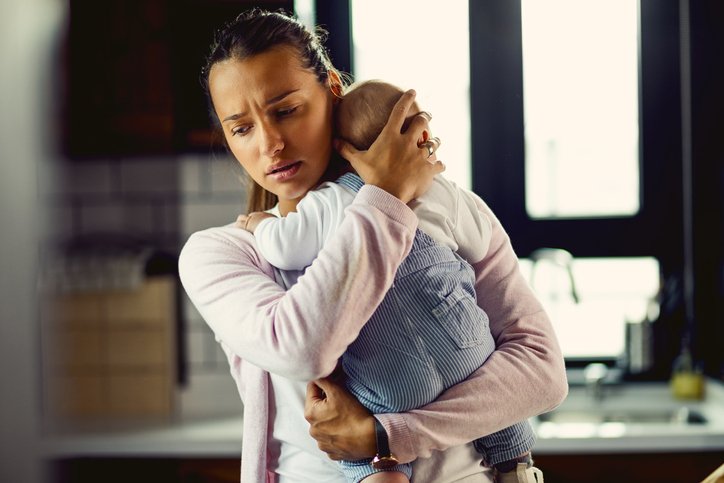
Postpartum depression is not the same thing as the so-called “baby blues,” in which new mothers feel some combination of sadness, worry, anxiety and fatigue in the week or two following childbirth. Postpartum depression (PPD) is a serious condition that causes severe mood swings and exhaustion. If it doesn’t go away within a few months after birth or isn’t treated with medical intervention, it can turn into long-term depression. If you or someone you loved is suffering from extended PPD, here’s what you need to know.
What are the symptoms of postpartum depression?
Lack of sleep and hormonal imbalances make most new mothers feel out of sorts for the first couple of weeks after childbirth, but if symptoms don’t go away or get even worse, there’s a good chance PPD is responsible. While symptoms vary from person to person—and even day by day—postpartum depression indicators include:
- Sadness and crying with no explanation
- Exhaustion combined with insomnia
- Too much sleep
- Severe changes in appetite
- Unexplained aches, pains, or illnesses
- Irritability, anxiety or anger without cause
- Sudden mood shifts without warning
- Feelings of being out of control
- Difficulty remembering things
- Poor concentration and difficulty making decisions
- No interest in previously enjoyed activities
- Feelings of disconnection to the baby
- Overwhelming feelings of hopelessness, unworthiness, or guilt
- Intrusive thoughts about self-harm or harming the baby
Symptoms of PPD usually start within a few weeks of delivery, but sometimes symptoms won’t surface until months later. In some cases, symptoms appear as late as a year after childbirth.
How long does postpartum depression last?
Unfortunately, there is no set diagnostic timeline for postpartum depression because it’s a different experience for everyone. Some studies suggest that most PPD cases resolve within three to six months after symptoms begin, although some women have reported continuing symptoms up to three years after childbirth.
The severity of symptoms and how long symptoms last before treatment is sought tends to correlate with how long symptoms last overall. Also, there are certain risk factors that can lead to PPD lasting longer even with treatment, including a history of depression or other mental illness, a complicated pregnancy or delivery, major life changes during the postpartum period, and lack of support from partner, family, and friends.
How is postpartum depression treated?
The most important thing you can do if you notice symptoms of PPD is to communicate with your loved ones and see a doctor as soon as possible for treatment. The two main treatments for PPD are medication and therapy, and while either one can be used alone, they work best when used together. Medication usually involves antidepressants, which can take a few weeks to start working fully. Therapy offers a safe place to express thoughts and feelings and to learn coping methods and strategies for working through distress.
In addition to medical intervention, one of the best ways to treat PPD is through self-care. Ask for help, take some well-deserved “me time” on occasion, and consider joining a support group for new mothers. Self-care also involves avoiding certain things, like “mommy blogs” and baby-focused social media that can make new mothers—even those without PPD—feel self-conscious and inadequate.
Postpartum depression research in San Diego
Medical researchers continue to look for more effective treatments for postpartum depression, and clinical research studies offer the latest therapeutics and strategies for managing symptoms. At Synergy Research Centers, we are currently enlisting participants in our PPD studies. For more information or to sign up to participate, call us at (619) 303-6130.