

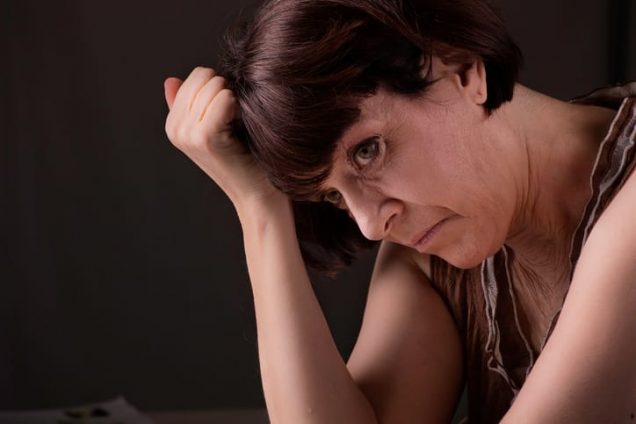
Depression occurs in every walk of life, affecting everyone from a wealthy man to an impoverished woman. However, when looking deeper into the demographics of those afflicted by depression, a startling trend emerges. While depression can occur in anyone, it is especially rampant in women. In fact, depression is nearly twice as likely to occur for women as opposed to men. Why is that?
Types of Depression Unique to Women
One of the main causes for the higher number of women suffering from depression when compared to men is that there are two types of depression that are unique to women. While most types of depression for men also apply to the other gender, women have two types of depression all to themselves.
Postpartum Depression
Postpartum depression is a special form of depression that occurs after a woman gives birth to a baby. Postpartum depression can occur at any time in the year after giving birth, but symptoms commonly start in the first 3 weeks after birth. The depression manifests itself in intense feelings of hopelessness, sadness, and guilt, and is caused by the mother’s inability to bond with the baby. The mother may also not feel the need to care for the baby as well, and this lack of connection can worsen the symptoms. After giving birth, hormone levels go from being incredibly high to suddenly being at normal levels, and this change in combination with stress around the new child contribute to postpartum depression developing.
Premenstrual Dysphoric Disorder
Premenstrual dysphoric disorder is a form of depression that is directly tied to a woman’s menstrual cycle. In the week prior to menstruation, a woman with premenstrual dysphoric disorder may begin to feel anxiety, go through severe mood swings, and feel very negatively about themselves. The symptoms can impact not only the person afflicted but also their interpersonal relationships with the people close to them. Most believe that premenstrual dysphoric disorder is related to the hormone changes associated with menstruation, as serotonin levels tend to dip during this period.
Causes of Depression in Women
While postpartum depression and premenstrual dysphoric disorder are the only two types of depression unique to women, they are far from the only causes of depression that are unique to women.
Hormone Changes and Biological Factors
Along with pregnancy and menstruation, women have a few other life events that can lead to depression, including perimenopause, menopause, and fertility issues. During these times, women are at a hormonal imbalance, and this imbalance can be a cause of depression.
Women Tend to Be More Emotional Than Men
The psychological causes of depression are more prevalent in women, as women tend to be more emotional than men and are more likely to rehash negative thoughts and feelings. This rumination on depression symptoms can cause a bout of depression to evolve into clinical depression, lengthening the timespan in a depressed state and make symptoms worse.
Different Societal Pressures For Women
Women are faced with very different expectations from society than man. They feel more pressure to always look aesthetically pleasing, and this pressure can lead to body image issues that can turn into depression.
Depression Treatment for Women at Synergy
If you are feeling the symptoms of depression and are looking for easy and inexpensive treatment, Synergy Research Centers can help. We offer depression treatment studies, offering individuals the opportunity to join a depression clinical research trial that offers free treatment for depression. With two convenient locations in San Diego, Synergy Research Center can offer help to individuals throughout southern California. If you wish to learn more, give us a call at (888) 619-7272.