

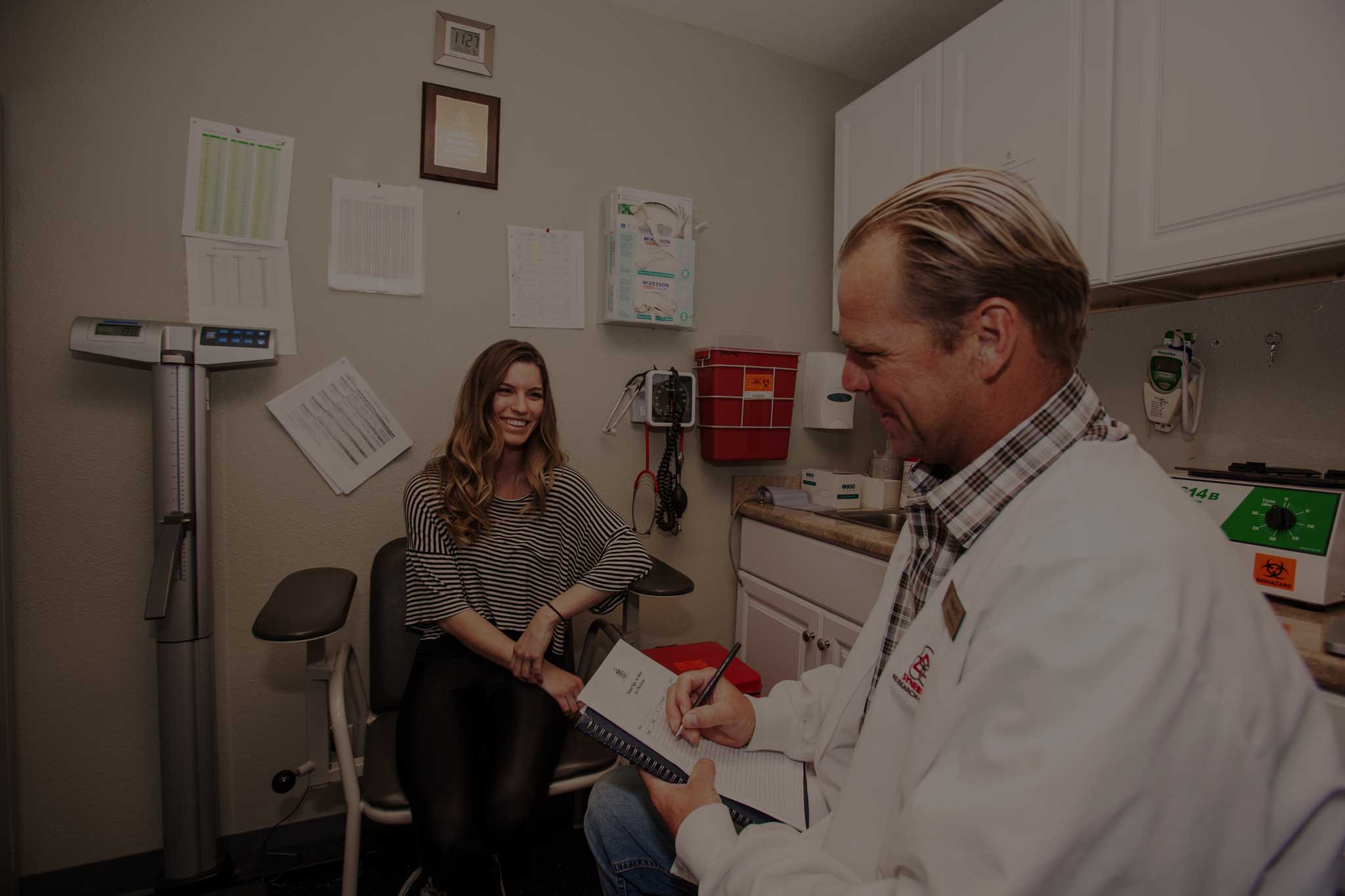
Before a new medication becomes available to the general public, it must undergo clinical trials to ensure that it is safe and effective. Clinical trials are also necessary to see how a drug reacts with other medications or treatments, how it affects particular segments of the population, and whether its benefits outweigh any side effects observed during the trials.
The clinical trial process is broken down into four sequential phases. If there are any complications or issues at any phase, the trial must be stopped and subjected to further research and evaluation before it continues. No matter how many years of research and development have gone into a new medication or treatment, the FDA approval process will not begin until the clinical trial clears the third phase with positive results.
If you have questions about a new drug or treatment or you’re interested in participating in a clinical trial, here’s what you need to know about the four-phase process:
Phase 1: Small group testing
The first phase of a clinical trial helps researchers understand the safety of an investigational medicine or treatment. The trial group at this stage usually ranges from 20-100 people and lasts a few weeks to several months. Participants undergo frequent clinical exams and lab work while reporting on any side effects. While the group participants are usually healthy individuals, some Phase 1 trials seek out volunteers with specific medical conditions.
Phase 2: Large group testing
In the second phase of a clinical trial, researchers evaluate the effect of the experimental medication on participants who have been diagnosed with the condition the drug is intended to treat. This large group, usually around 100-300 people, is split into smaller groups of those who receive the medication and those who receive a placebo. This is done so researchers can obtain statistically valid data and rule out alternative explanations for the results. At this stage, which can last from a few months to a few years, researchers also assess the short-term safety of the drug and determine the most effective dose with the fewest side effects.
Phase 3: Confirming results
The third phase of a clinical trial is intended to obtain data on a much larger group of people from various populations, thereby giving researchers a clear understanding of the drug’s side effects and potential effectiveness. This group typically numbers between several hundred to a few thousand participants with the disease or condition being studied, many hailing from around the world in order to offer the most comprehensive set of results possible. Due to the large pool of participants, Phase 3 usually lasts between one and four years.
Phase 4: Post-market studies
Following the completion of Phase 3, researchers will submit the medication or treatment to the FDA for approval. Once the drug is approved, it moves onto Phase 4, which is known as a “post-market” or “open-label” study. At this stage, which involves several thousand participants and lasts over a year, drug manufacturers gain further insight into the drug compared to alternative drugs on the market, and also learn about long-term benefits of the treatment on a much larger scale.
Clinical trials in San Diego
If you want to help shape the future of modern medical treatment, consider participating in a clinical trial at Synergy Research Centers in San Diego. We currently have several ongoing research studies. We cover all treatments and medical care costs related to the trial, and compensate participants for their time. For more information about our current studies or to sign up for a clinical trial, fill out our contact form or call us at (888) 539-0282.