

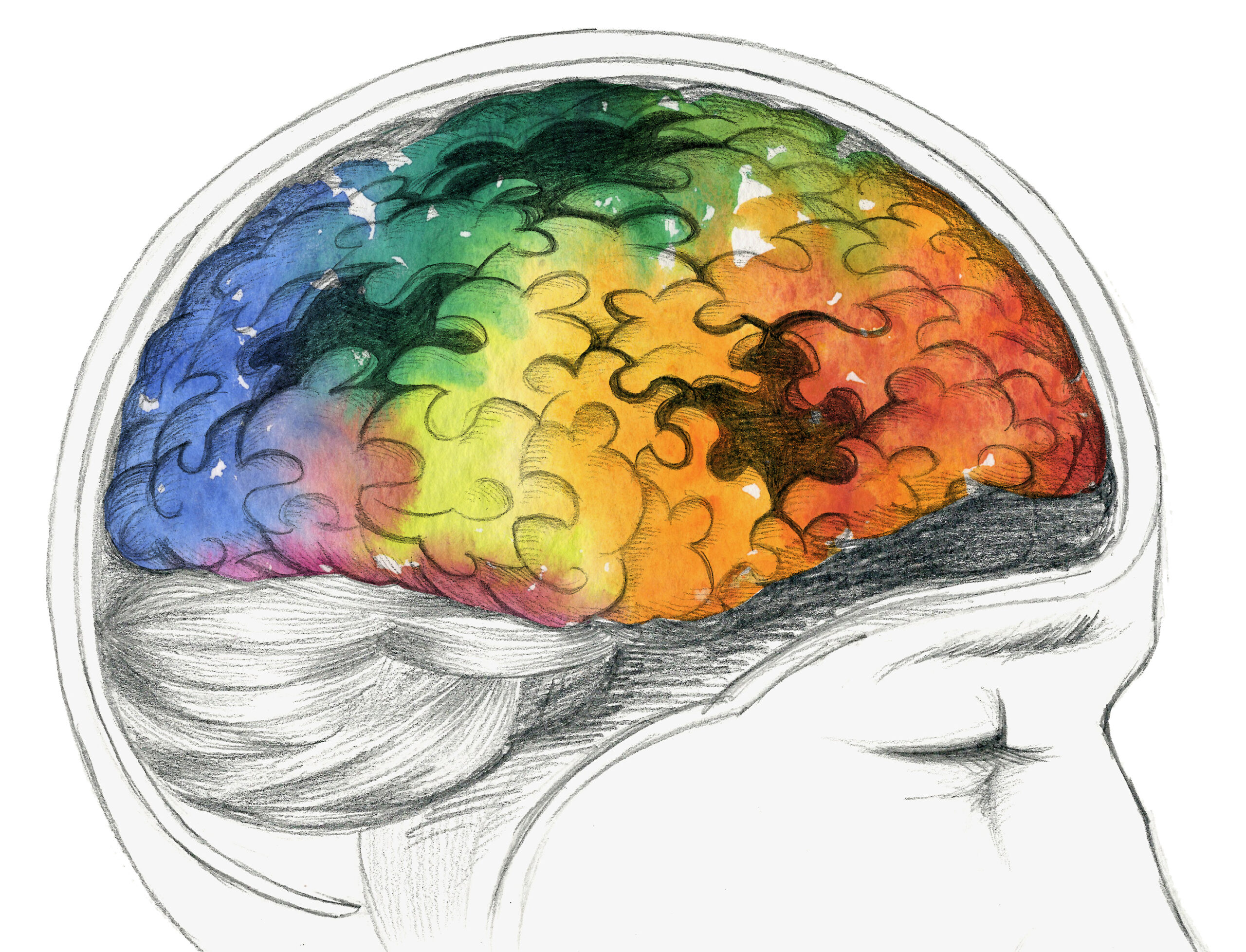
Alzheimer’s clinical trials provide scientists with insights about Alzheimer’s disease on a regular basis. Thanks to these research studies, our knowledge of Alzheimer’s is advancing faster than ever before.
Let’s look at some of the most valuable discoveries clinical trials have helped deliver:
-
Plaques and Tangles are Noticeable Signs of Alzheimer’s in the Brain
Early in Alzheimer’s research, it was not known what signs doctors should look for when evaluating the disease. We now know there are two major signs: Plaques, made from microscopic clumps of specific proteins, and tangles, twisted strains of the protein called tau.
-
Alzheimer’s Has Seven Distinct Phases
Symptoms similar to Alzheimer’s were once looked at as a “natural part of aging.” Science now understands this is anything but true. Alzheimer’s is a long-term, progressive disease that has several different steps. In the first phase, family and friends may not notice an issue.
-
There are 32 Major Genetic Risk Factors
The introduction of the Polygenic Hazard Score Test is a huge breakthrough in Alzheimer’s detection. It distills a huge quantity of data from more than 70,000 individuals into 32 key gene sequences that can predict Alzheimer’s onset.
-
Women Have a Markedly High Risk Than Men
Nearly twice as many women as men have Alzheimer’s disease. Although this is due in part to the fact that women generally live longer than men, it is also believed there may be unique genetic or hormonal factors involved.
-
Many Lifestyle Factors Can Contribute
Some people have dramatically higher genetic risk for Alzheimer’s than others. However, there are also many other factors. The major one seems to be heart health: When blood pressure, blood sugar and diet are under control, risk declines.
-
Mental Stimulation May Help
The National Institute on Aging discovered learning is a prevention strategy for Alzheimer’s. Formal education makes one less likely to succumb to the disease, but it’s not the only factor. Staying mentally engaged in an independent study or hobby can help.
-
Impaired Smell is an Early Warning Sign
Research has demonstrated that an impaired sense of smell is a common warning sign for Alzheimer’s disease. Olfactory senses are closely linked to memory recall in humans. The sense of smell may become impaired by neurological changes, which then hamper memory recall.
Participate in the Forefront of Alzheimer’s Disease Research with Synergy Research Centers
Would you like to be part of quality San Diego research studies that really make a difference?
Synergy Research Centers leads groundbreaking San Diego Alzheimer’s clinical study. Our paid medical research studies help you become a part of discovering new treatments – and ultimately, perhaps, the cure.
For paid clinical trials California trusts, enroll in a study now.