

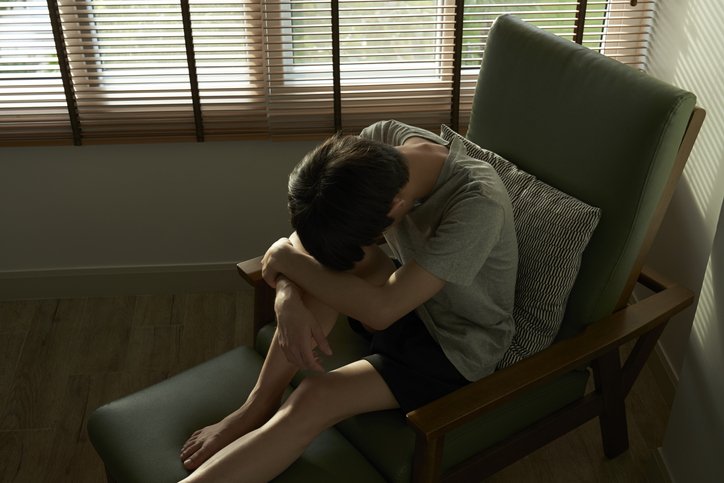
Depression and sleep disturbances are closely linked. On one hand, many people who develop depression experience changes in their sleep patterns, such as an inability to sleep or excessive sleepiness. On the other hand, many people who suffer from sleep disorders also develop depression. Often, it is difficult to determine which came first: sleep problems or depression. In fact, the two are so closely associated that some doctors hesitate to diagnose a patient with major depressive disorder if they do not report problems with sleep.
Sleep and major depressive disorder
According to the fifth edition of the Diagnostic and Statistical Manual of Mental Disorders (DSM-5), a diagnosis of major depressive disorder requires that the individual experience five or more symptoms from a specific list during the same two-week period. The symptoms must be a change from their previous functioning and cannot be attributed to any other medical condition. Sleep changes are on the list, and can involve sleeping too much, too little, or problems with sleep quality. Common sleep problems associated with depression include:
- Trouble falling asleep
- Waking up frequently
- Inability to stay asleep / waking up too early
- Consistently oversleeping
- Excessive daytime sleepiness
- Difficulty waking up
Sleep regulation is important for everyone, but it plays a particular role in symptom management for those who suffer from depression.
How poor sleep contributes to depression
People who suffer from insomnia, the most common sleep disorder, have an increased risk of developing or worsening their symptoms of depression. Although poor sleep won’t directly cause depression, it can disrupt several factors that contribute to mood stability and symptom management. Chronic sleep deprivation weakens the brain’s ability to cope with stress and control emotions. Insufficient sleep also disrupts the regulation of hormones responsible for appetite and satiation, increasing the risk of chronic overeating or other unhealthy choices that contribute to feelings of low self-worth.
On the other hand, too much sleep can also throw off the natural sleep-wake cycle, further exacerbating factors that increase the risk of developing symptoms of mood disorders. For example, if a person regularly has to choose between exercise and family time because they don’t have enough waking hours in the day for both, they may eventually begin to experience feelings of guilt that make it even more difficult to get out of bed.
Many people who suffer from depression and sleep problems are able to find relief through treatment. There are a number of medications and psychotherapy treatments available for sleep and depression, and finding the right combination can dramatically increase a person’s quality of life. If you’re struggling with sleep and depression, you may be eligible to participate in a research study at Synergy Research Centers in San Diego.
Seeking treatment for sleep and depression? Join our clinical trial today!
At Synergy Research Centers in San Diego, we’re currently enrolling eligible participants in a Major Depression research study with a focus on sleep. This 12-week study involves 10 visits to our research facility and is open for qualified participants ages 18-74. For more information on this or any of our other research studies for Major Depression in San Diego, give us a call at (888) 539-0282 today.