

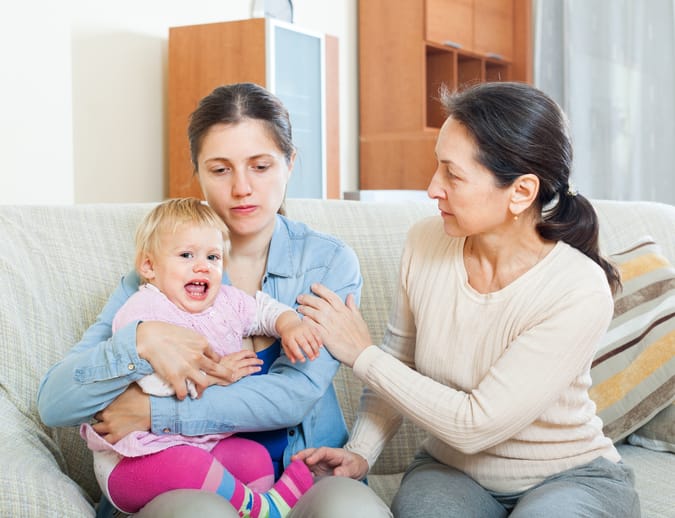
Postpartum depression can be devastating for a mother. After carrying a child for nine months and going through the pains of childbirth, it is expected that love and dedication should spring naturally within any mother. However, for mothers with postpartum depression, the early stages of motherhood can be a guilt-ridden nightmare. The intense depression felt during postpartum depression can make life difficult for any mother, and can also affect their relationship with both their child and their partner. That is why it is important to seek treatment for postpartum depression as soon as symptoms are present, and you can find treatment for free at Synergy Research Centers in San Diego. Call (888) 539-0282 to learn more.
How Postpartum Depression Affects the Mother
Postpartum depression will make life very difficult for any mother, as the symptoms of the disorder can wreak havoc upon your life. Mother’s will feel hopelessness at the prospects of raising a child and guilt over their inability to feel a bond with their baby. This can lead to a mother seeking isolation from friends and family, as being around loved ones will only work to increase the feelings of guilt. As the symptoms of postpartum depression get more severe, a mother may even think about harming themselves or even harming the baby.
How Postpartum Depression Affects Mother-Child Relationship
Postpartum depression can definitely affect the relationship between the mother and the child. The mother’s depression can make it difficult for the child and mother to bond. The mother and child bond is an incredibly important part of a child’s early development, as it can have an impact on the child’s ability to engage in healthy relationships in the future. A disengaged parent can also lead to lower IQ scores, attention issues, and learning difficulties. A lack of a strong bond with their mother can also disrupt an infant’s brain development, creating fear and anxiety in the child.
How Postpartum Depression Affects Marriage or Partnership
No matter how progressive we get as a society, gender roles still have a strong influence on how a mother can act. These roles can lead to disappointment on the part of a partner if a mother is dealing with postpartum depression and is unable to live up to the traditional role of a mother. While it would be best to console each other and talk about their mutual disappointment in a healthy and constructive way, postpartum depression can cause mothers to seek isolation and keep their feeling bottled up. This can lead to an environment of mutual resentment, and unless action is taken to mend the situation, it can lead to long-lasting hostility on both sides.
Get Treated for Postpartum Depression in San Diego
To avoid damaging your relationship with your partner and child and preserve your mental health, get treatment for postpartum depression as soon as you notice symptoms. While postpartum depression will eventually subside without treatment, the weeks or months of dealing with the disorder can do substantial harm to your psyche, your child, and your relationship with your partner. Synergy Research Centers in San Diego is currently running a clinical trial offering free treatment for mothers with symptoms of postpartum depression. If you are interested in learning more or want to join the study, contact Synergy Research Centers today by calling (888) 539-0282.