


If you’ve ever experienced heartburn or acid reflux following a meal, you know what you eat can have a big impact on how you feel. But did you also know that your diet can have repercussions on your mental health as well? Recent research suggests that certain foods might play a role in triggering mood swings in those with bipolar disorder.
What is bipolar disorder?
People with bipolar disorder suffer from dramatic mood swings characterized by episodes of extreme elation and major depression. These changes can occur gradually, over the course of several days or even weeks, or they can come on suddenly. In addition to an unusual shift in mood, episodes of bipolar disorder include problems with unclear thinking, distorted perception, and an inability to function socially.
How does food affect people with bipolar disorder?
According to a study in the Journal of Psychiatric Research, consuming certain foods could make mood swings worse in people with bipolar disorder. Eating a high-sugar, low-nutrient diet can cause dramatic fluctuations in blood sugar levels, which can affect mood. On the other hand, eating a diet of healthy, nutrient-dense foods has the potential to stabilize your mood and provides the body and brain with the nourishment necessary for proper functioning.
Foods to eat with bipolar disorder
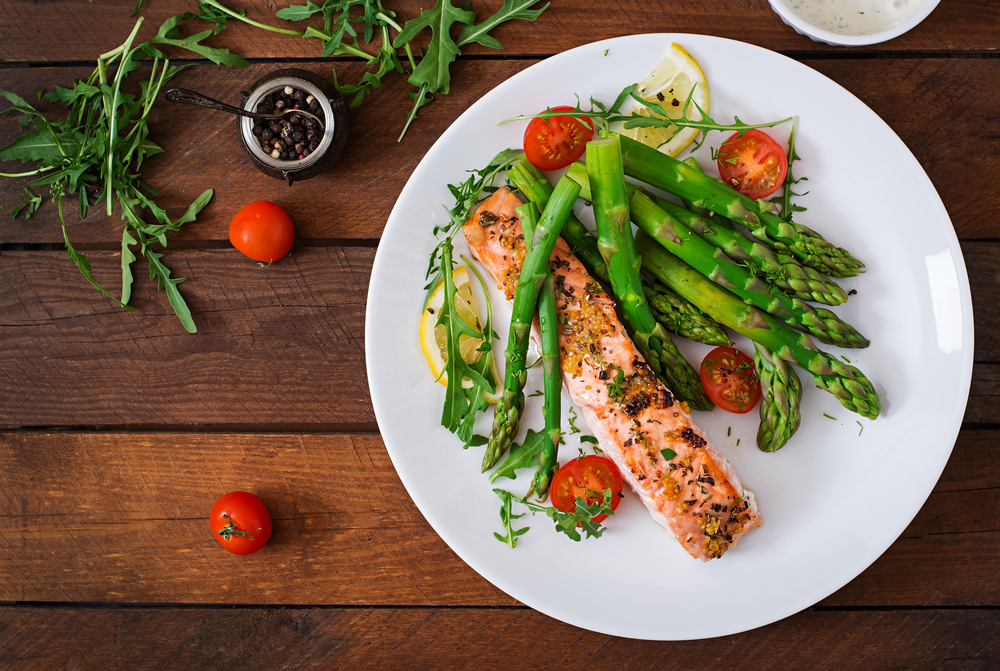
✓ Fresh fruits, including apples, bananas, and berries
✓ Dark green, leafy vegetables such as spinach and kale
✓ Lean meats and cold-water fish, including chicken, turkey, and salmon
✓ Whole-grain products including bread, pasta, and cereal
✓ Eggs and soy products
✓ Low-fat dairy products
✓ Nuts and seeds, including almonds, walnuts, and chia seeds
✓ Legumes like beans, lentils, and peas
✓ Dark chocolate
Foods to avoid with bipolar disorder
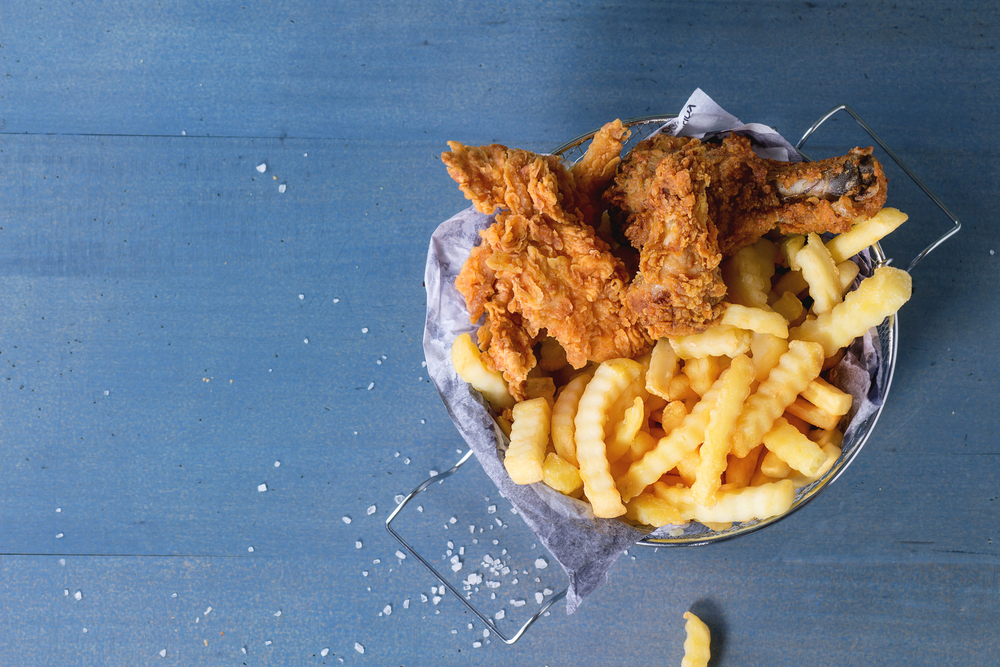
X Fried, fatty foods like French fries and onion rings
X Caffeinated beverages like coffee, soda, and energy drinks
X Saturated fat found in cream, cheese, butter, and other whole-milk dairy products
X Sugary desserts and candy bars
X Products containing white flour, like pasta, bread, and bagels
X Red meat including beef, veal, pork, goat, and lamb
X Salt, which is found in bacon and ham, cheese, pickles, and soy sauce
X Processed foods, like chips, cookies, granola bars, fruit snacks, and frozen dinners
X Alcoholic beverages, including wine, beer and spirits
Do you suffer from bipolar disorder?
If you think you might be one of the 5.7 million Americans affected by bipolar disorder, the best thing you can do is seek help from a medical professional. While there are no laboratory tests to diagnose bipolar disorder, your doctor can advise you on a healthy diet and recommend other measures to make your symptoms more manageable.
At Synergy Research Centers in San Diego, we’ve been conducting clinical research trials on a variety of psychiatric conditions, including bipolar disorder research study, for more than 18 years.