

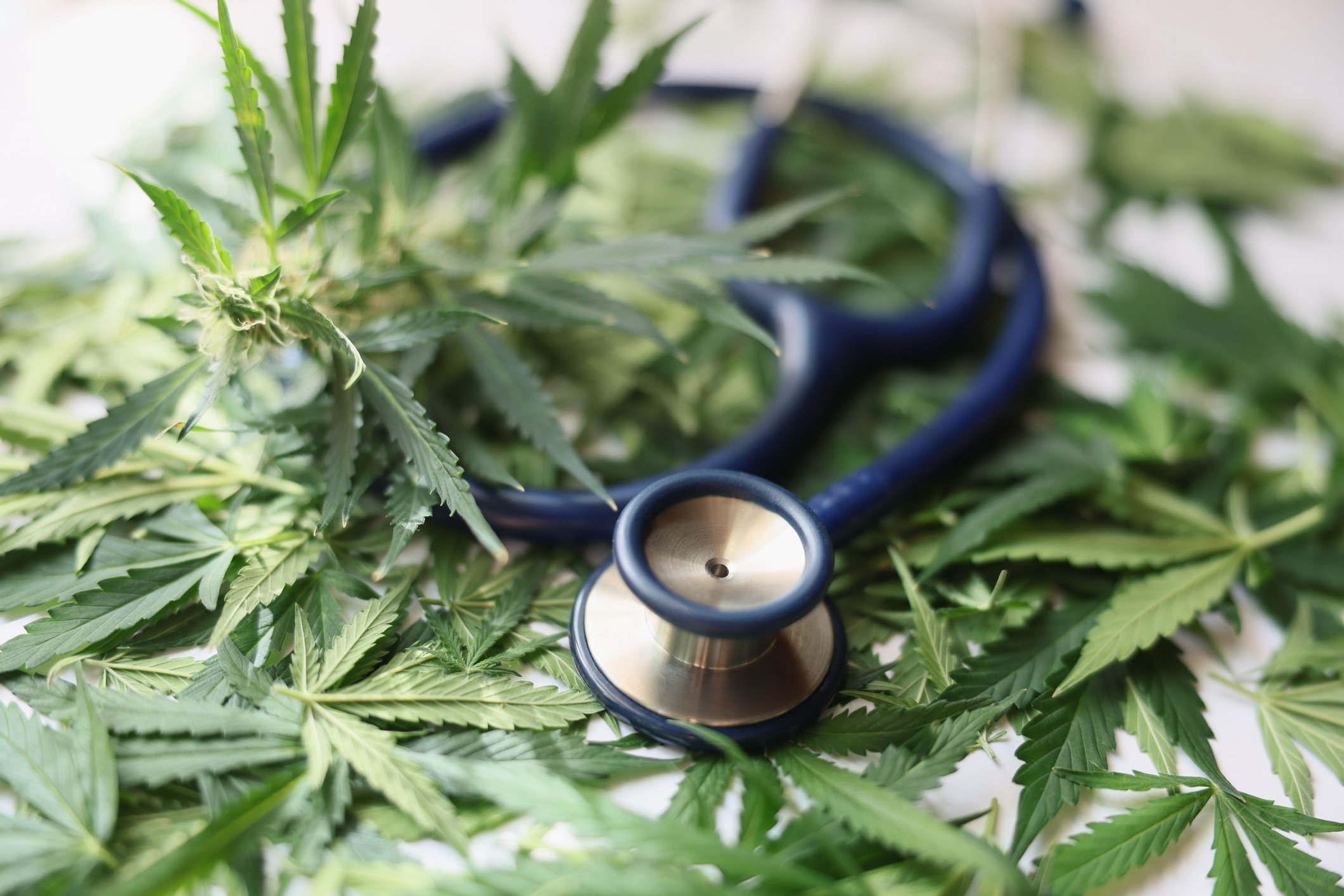
 As the legal landscape surrounding cannabis continues to evolve, it’s essential to have an open and informed discussion about its potential effects on our lives. Many individuals engage in cannabis use for various reasons, whether it’s for relaxation, pain relief, or recreational enjoyment. However, like any substance, there can come a point where its use transitions from harmless to problematic.
The Science Behind Cannabis
Cannabis, commonly referred to as marijuana or weed, is a plant that contains numerous compounds known as cannabinoids. The most well-known cannabinoids are THC (tetrahydrocannabinol) and CBD (cannabidiol). THC is responsible for the psychoactive effects of cannabis, while CBD is non-psychoactive and is believed to have potential therapeutic benefits.
Cannabis use can fall along a spectrum, from casual to excessive. Learn how to distinguish between recreational use and behaviors that may signal an issue.
Early Warning Indicators You Shouldn’t Ignore
- Shift in Priorities: If cannabis use begins to take precedence over responsibilities, such as work, relationships, or personal goals, it may indicate an issue.
- Escalating Tolerance: Developing a higher tolerance may lead to increased consumption, potentially affecting your overall health.
- Social Isolation: Withdrawing from social activities and spending excessive time using cannabis may signify a problem.
How Cannabis Use Can Impact Your Life
- Impaired Cognitive Function: Heavy and prolonged cannabis use, especially at a young age, can impact cognitive function, memory, and attention span. This is of particular concern for adolescents and young adults.
- Addiction and Dependence: While not as addictive as substances like opioids or nicotine, cannabis can still lead to dependence, especially in those who use it regularly. It’s essential to monitor your consumption and seek help if you feel your usage is becoming problematic.
- Mental Health: Cannabis use has been linked to an increased risk of mental health issues, particularly in individuals predisposed to conditions like schizophrenia or bipolar disorder. It’s crucial to be aware of your mental health history before using cannabis
- Physical Well-being: Frequent consumption may lead to respiratory issues and decreased motivation.
Unveiling Marijuana Withdrawal
Marijuana withdrawal refers to the collection of physical and psychological symptoms that individuals may experience when they abruptly cease or significantly reduce their cannabis consumption after regular use. These symptoms can vary in intensity and duration, depending on factors such as the frequency and amount of cannabis used, individual biology, and the presence of any underlying health conditions. If you think you may be experiencing cannabis withdrawal consider participating in our trial. Cannabis withdrawal research study