

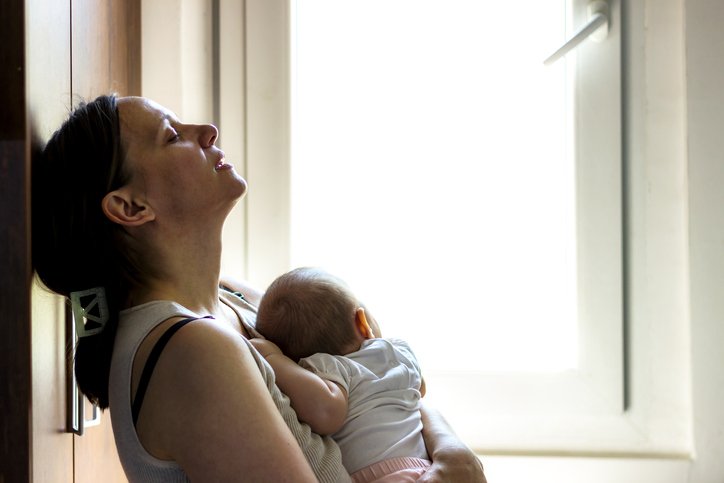
Postpartum depression (PPD) is a mood disorder triggered by childbirth. PPD impedes a woman’s ability to experience the joy and happiness of bonding with her new baby. Symptoms of postpartum depression can show up any time from the third trimester to days, weeks, or even months after the child is born. PPD is typically diagnosed within the first year after childbirth, but it can last for years, especially if left untreated. Without intervention, postpartum depression negatively affects both child and mother.
Even if you feel like you have just a mild case of “the baby blues,” it’s important to talk to your doctor. The right diagnosis can get you closer to the right treatment. Here’s where to start.
Keep a journal
It can be helpful to keep a journal during pregnancy and after childbirth. You don’t have to write a lot, but the journal should be a record of your moods, mental state, any unusual physical sensations, and other symptoms you may want to share with your doctor. If you notice any unusual shifts in your emotional, mental, physical, or behavioral patterns, write down how and when they appear. For example, if you notice you’re feeling especially weepy for no particular reason, log it in your journal. Include the date, the time of day, how long the feeling lasted, and anything else of note. Don’t worry about limiting your entries to days when you think your symptoms might be associated with PPD. Anything goes, whether you’re feeling especially energetic or sluggish, indifferent about your baby or head-over-heels in love. The more information you record, the more clear your symptoms and patterns will become.
Sharing the journal with your doctor will provide valuable information that can aid in the diagnostic process.
Know the signs and symptoms
The symptoms of PPD won’t always be noticed right away. A new mother who is having difficulty bonding with her new child or who is just too exhausted to get out of bed might just assume that she doesn’t have what it takes to be a good mother. But in reality, she could be suffering from symptoms of postpartum depression. There are a broad range of symptoms associated with postpartum depression, and every woman will have her own experience. The signs and symptoms of PPD below will give you an idea of what to look for.
- Persistent sadness
- Frequent crying
- Persistent low mood
- Feelings of emptiness or hopelessness
- Feelings of indifference toward your baby
- Overwhelming feelings of guilt
- Frequent strong feelings of frustration or anger
- Intense worry or anxiety
- Lack of energy
- Difficulty falling asleep, staying asleep, or sleeping too much
- Restlessness
- Loss of pleasure or interest in once-enjoyable activities
- Loss of appetite
- Trouble concentrating
- Social withdrawal
- Persistent headaches, digestive trouble, or other physical ailments that have no clear trigger
Many of the above signs are associated with other mental health disorders as well as postpartum depression, and some can even be triggered just by the exhaustion of taking care of a newborn. A doctor will use a combination of psychological and medical screenings to determine whether you’re suffering from symptoms of PPD.
Visit the doctor
At the first sign of postpartum depression, call a doctor—even if you think you’re just tired from late nights up with the baby. Yes, it could be that a full night of sleep each week is all you need, but if you are suffering from postpartum depression, it’s important to get a diagnosis as soon as possible. Obstetricians, midwives, family doctors, and other medical practitioners who work with pregnant women and new mothers are equipped with special diagnostic tools and techniques for detecting the presence of postpartum depression. Here are some of the steps that your practitioner may use as part of the diagnostic process:
- Take your vital signs to ensure that all systems are functioning properly
- Test for certain medical conditions such as thyroid problems
- Ask questions to get a clear understanding of your symptoms (your journal will be helpful here)
- Perform standard psychological screenings (usually questionnaires designed to evaluate your recent state of mind, emotional stability, and thought processes).
After determining a diagnosis of postpartum depression, your doctor may discuss your treatment options.
Treatment for postpartum depression
Postpartum depression can be temporary, lasting just a few months in some cases, or if left untreated, it can lead to chronic depression. As soon as you have a diagnosis, it’s important to seek treatment as soon as possible. Depending on the severity of your symptoms, your doctor may recommend one of treatments below, or any combination thereof. Here are some of the more common treatments for PPD.
- Antidepressants and other medications
Antidepressants can help address issues with sleep, energy, lack of motivation, and other symptoms that stand in the way of you taking care of yourself and your baby. If you are breastfeeding, your doctor will be able to help you find a medication that is safe for you and your baby.
- Cognitive behavioral therapy (CBT)
Sometimes done individually and sometimes in a group setting, CBT can help you let go of the myth of “the perfect mother” and give you the skills to balance self-care with baby-care, so you have the energy, stamina, and mental capacity to meet your own needs as well as those of your baby.
- Interpersonal therapy (IPT)
Interpersonal therapy is a clear and direct course of treatment that teaches communication skills for the purpose of building relationships, strengthening your support system, and navigating your life-stage transition.
- Clinical research studies
Researchers are working tirelessly to find new effective treatments for postpartum depression and other mental health issues. Research facilities often invite participants to join clinical trial studies that provide them with access to new treatments not yet available to the general public.
Not every treatment works for every woman with PPD. Some women have to try two or three different treatments before they find one that works. Others are unable to find relief from current treatments. More research is still needed to find effective treatment for those who need it most. Participation in clinical trials leads to better treatments and more relief for more people.
Postpartum Clinical Trial in San Diego | Synergy Research Centers
At Synergy Research Centers we’re committed to doing our part to find new treatments for postpartum depression. We’re currently enlisting participants in our postpartum depression clinical trials, offering mothers the chance to find relief from the symptoms of PPD. To learn more or to inquire about your enrollment eligibility, give us a call at (888) 539-0282 today.